Wedding Cards: Beautiful Designs, Types, Ideas & Tips for Choosing the Perfect Card
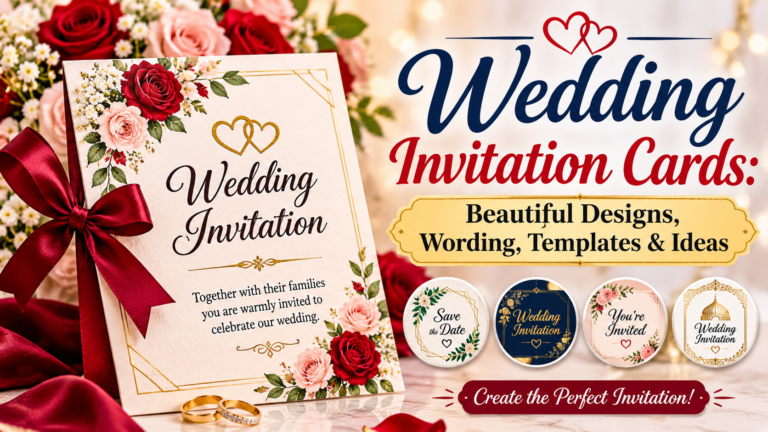
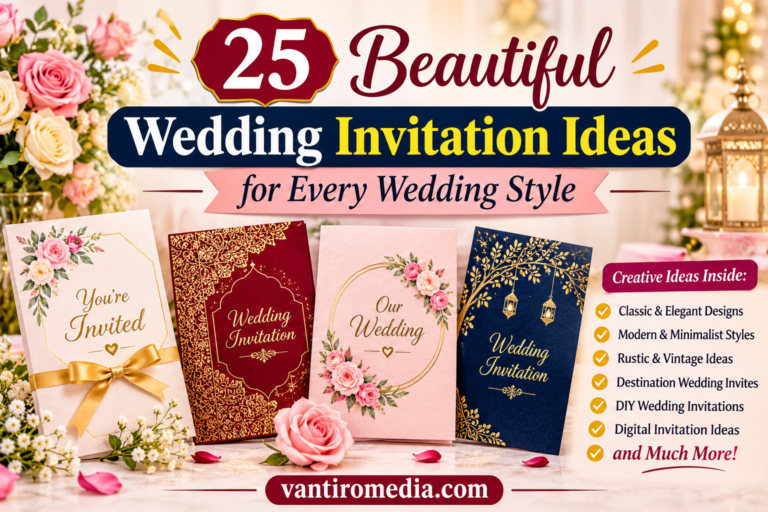
Wedding cards are more than just pieces of paper. They are a special way to share happiness, invite loved ones, and celebrate one of life’s most meaningful occasions. From elegant traditional invitations to modern minimalist designs, the right wedding card helps set the mood for the celebration before the big day even arrives.
Whether you are planning a small family wedding, a traditional ceremony, or a large celebration, choosing the right wedding card can make your invitation feel more personal and memorable.
Today, couples have more options than ever. They can choose printed wedding invitations, digital cards, floral designs, luxury invitations, or simple cards with beautiful wording.
In this guide, we will explore different types of wedding cards, popular design ideas, invitation wording, and practical tips to help you choose a card that matches your wedding style.
What Are Wedding Cards?
Wedding cards are printed or digital cards used to announce a wedding, invite guests, or share congratulations with a couple. They are commonly used before and during wedding celebrations.
A wedding card may include the couple’s names, wedding date, ceremony time, venue, RSVP information, and a personal message.
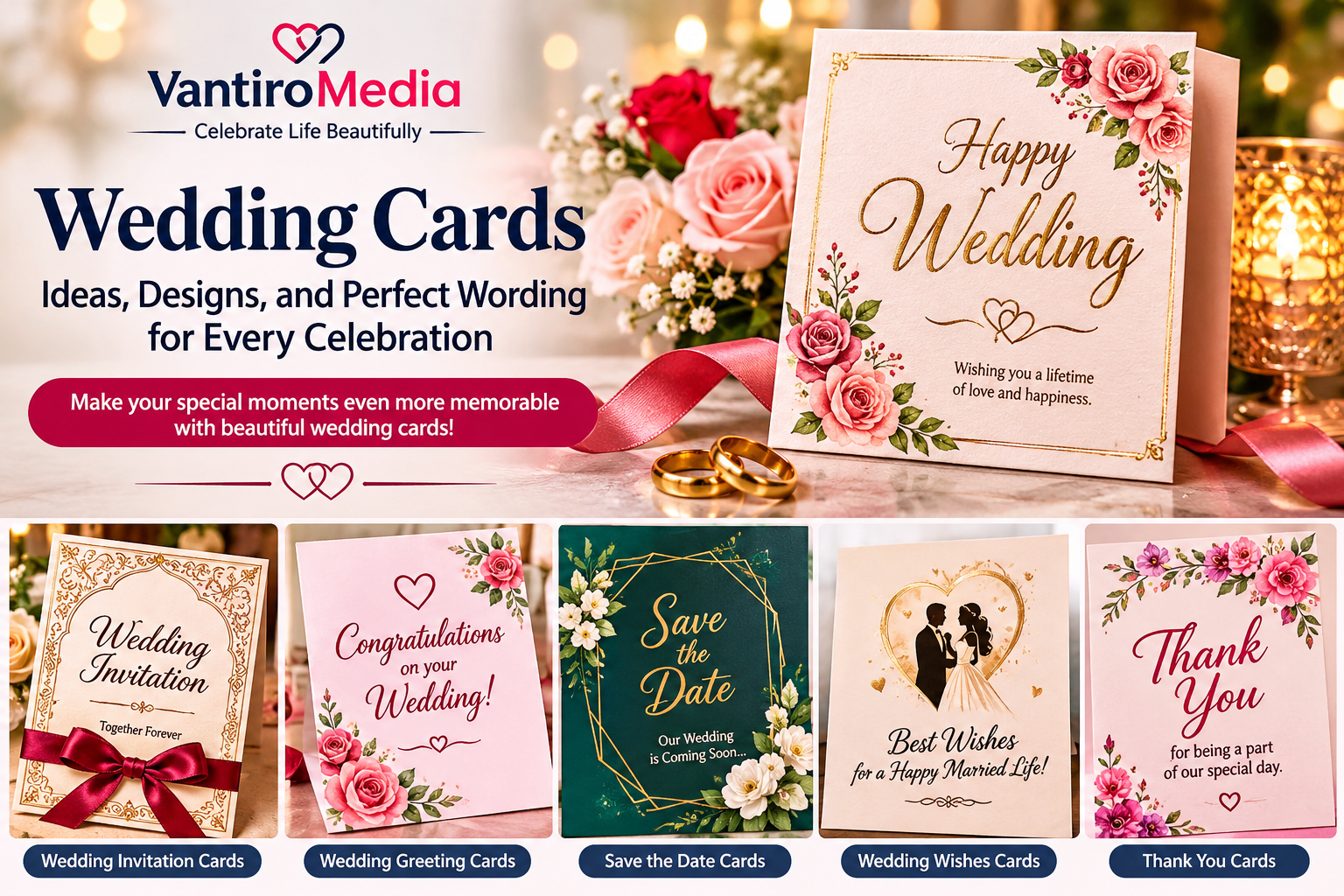
Wedding cards serve different purposes. Some are created as formal invitations, while others are designed as greeting cards for congratulating newlyweds.
For many families, wedding invitations also reflect cultural traditions, personal preferences, and the overall theme of the celebration.
Different Types of Wedding Cards
There are several types of wedding cards available. The best option depends on the purpose of the card, your budget, and the style of your celebration.
1. Traditional Wedding Cards
Traditional wedding cards are popular among couples and families who prefer classic invitation styles.
These cards often feature decorative borders, elegant typography, floral patterns, and formal wording. Some designs also include cultural symbols or traditional artwork.
Traditional invitations work especially well for formal ceremonies and family celebrations.
2. Modern Wedding Cards
Modern wedding cards focus on clean layouts, creative typography, and simple visual details.
They may include neutral colors, geometric patterns, minimal illustrations, or contemporary layouts.
These designs are ideal for couples who want something stylish without too many decorative elements.
3. Floral Wedding Cards
Floral wedding cards feature flowers, leaves, and botanical illustrations. They are a popular choice for garden weddings, spring celebrations, and romantic wedding themes.
Popular floral design elements include:
- Soft watercolor flowers
- Roses and peonies
- Green leaves and botanical borders
- Pastel floral backgrounds
- Delicate flower illustrations
A floral design can make an invitation look warm, romantic, and elegant.
4. Luxury Wedding Cards
Luxury wedding cards are designed for couples who want a premium presentation.
Common design features include:
- Gold or silver foil details
- Embossed lettering
- Textured paper
- Velvet or decorative envelopes
- Elegant monograms
- Premium finishing
These cards are often chosen for formal weddings and special family occasions.
5. Minimalist Wedding Cards
Minimalist wedding cards use simple layouts and limited decorative elements.
They usually focus on clear text, attractive spacing, and a small number of carefully selected colors.
White, cream, beige, black, and soft grey are common choices.
Minimalist invitations are a good option for couples who prefer a clean and timeless appearance.
6. Digital Wedding Cards
Digital wedding cards are electronic invitations that can be shared through email, messaging apps, or social media.
They are convenient for couples who want to invite guests quickly, especially those living in different cities or countries.
Digital cards can include:
- Wedding details
- Personalized messages
- Event location links
- RSVP instructions
- Wedding website information
They can also reduce printing and delivery costs.
Popular Wedding Card Design Ideas
Choosing a design is one of the most enjoyable parts of preparing wedding invitations. A good design should match the wedding theme and make important information easy to read.
Here are some popular ideas worth considering.
Elegant White and Gold Designs
White and gold wedding cards create a classic and sophisticated look. A white background with gold lettering or a delicate gold border can make the invitation feel special without appearing too busy.
Romantic Pink Floral Designs
Soft pink, blush, and cream colors work beautifully for romantic wedding invitations. Floral illustrations can add a gentle and welcoming appearance.
Rustic Wedding Invitations
Rustic wedding cards often use earthy colors, natural textures, and botanical details.
Kraft paper, greenery, simple fonts, and wooden-inspired elements are common features of this style.
They are particularly suitable for outdoor, countryside, and barn weddings.
Black and White Wedding Cards
Black and white invitations offer a timeless and formal appearance. They can work well for evening receptions, modern weddings, and elegant celebrations.
Personalized Photo Wedding Cards
Photo wedding cards allow couples to include their favorite engagement or couple photographs.
A well-chosen photograph can make the invitation more personal and memorable. It is best to use a clear, high-quality image and leave enough space for the wedding details.
What Should a Wedding Invitation Card Include?
A wedding invitation should look attractive, but its most important job is to communicate the event details clearly.
Before finalizing your design, make sure it includes the following information:
- Names of the Couple: Include the full names of the people getting married.
- Wedding Date: Clearly mention the day, month, and year.
- Ceremony Time: Add the correct starting time.
- Venue Details: Include the venue name and complete address.
- Reception Information: Mention reception details if it is a separate event.
- RSVP Information: Provide a contact method and response deadline when needed.
- Special Instructions: Include dress code, parking information, or other useful details if applicable.
Always check spelling, dates, addresses, and contact details before sending invitations to print.
Beautiful Wedding Card Wording Examples
The wording of a wedding invitation is just as important as its design. It should match the tone of the celebration and provide all necessary information.
Here are a few examples you can adapt for different wedding styles.
Formal Wedding Invitation
Together with their families,
[Couple’s Names]
request the pleasure of your company as they celebrate their wedding.
Date: [Wedding Date]
Time: [Ceremony Time]
Venue: [Venue Name and Address]
We would be delighted to celebrate this special day with you.
Simple and Modern Wedding Invitation
Two hearts, one beautiful journey!
We are getting married and would love to celebrate this special moment with you.
Join us on [Wedding Date] at [Venue Name].
Your presence will make our day even more meaningful.
Romantic Wedding Invitation
With love in our hearts and happiness in our lives, we invite you to join us as we begin a beautiful new chapter together.
[Couple’s Names]
Date: [Wedding Date]
Location: [Venue Name]
We look forward to celebrating with you!
Casual Wedding Invitation
It’s official! We are tying the knot.
Come celebrate with us, enjoy the happiness, and make wonderful memories together.
Date: [Wedding Date]
Time: [Time]
Venue: [Location]
We hope to see you there!
How to Choose the Perfect Wedding Card
With so many designs available, choosing one can feel overwhelming. A few simple considerations can make the process easier.
1. Match the Wedding Theme
Think about the overall style of your wedding. A formal celebration may suit a luxury or traditional invitation, while a relaxed outdoor wedding may look better with rustic or floral designs.
2. Choose the Right Colors
Your invitation colors can reflect the wedding theme.
For example:
- White and gold for an elegant celebration
- Pink and cream for a romantic theme
- Green and beige for a natural look
- Black and white for a formal event
- Blue and silver for a modern design
Choose colors that work well together and keep the text easy to read.
3. Select Readable Fonts
Decorative fonts can look beautiful, but they should not make important details difficult to understand.
Consider using one decorative font for names and a simple font for the date, venue, and other information.
4. Consider Your Budget
Wedding invitation costs can vary depending on paper quality, printing methods, customization, and quantity.
Set a budget before selecting a design. Remember to consider envelopes, postage, printing, and any additional inserts.
5. Order or Prepare Cards Early
Give yourself enough time to review the design, check the wording, and arrange delivery.
Ordering early also gives you an opportunity to correct mistakes before invitations are distributed.
Printed Wedding Cards vs. Digital Wedding Cards
Both printed and digital wedding cards have advantages. Your choice depends on your guests, preferences, and budget.
| Feature | Printed Cards | Digital Cards |
|---|---|---|
| Appearance | Physical and traditional | Electronic and flexible |
| Sharing | Hand delivery or mail | Email and messaging apps |
| Cost | Printing and delivery costs | Often lower distribution costs |
| Personalization | Paper, texture and finishes | Images, animation and links |
| Convenience | Requires preparation and delivery | Quick to share |
| Keepsake | Can be saved physically | Can be saved digitally |
Some couples choose both options. They send printed invitations to close family members and digital invitations to friends or guests who live far away.
Wedding Card Etiquette: Helpful Tips
Wedding invitations should be prepared thoughtfully so guests receive the right information at the right time.
Keep these tips in mind:
- Confirm the guest list before deciding how many cards to prepare.
- Check the spelling of every guest’s name.
- Include clear ceremony and reception details.
- Send invitations early enough for guests to make arrangements.
- Use RSVP instructions when you need to confirm attendance.
- Keep a few extra printed invitations for unexpected additions.
- Make sure digital invitations are easy to read on mobile devices.
Good planning can prevent confusion and make the invitation process much smoother.
Can You Make Wedding Cards at Home?
Yes! Creating wedding cards at home can be a creative and budget-friendly option.
You can start with a simple design and customize it with your preferred colors, fonts, and illustrations.
Here is a basic process:
- Choose a card size and layout.
- Select a wedding theme and color combination.
- Add the couple’s names and event details.
- Use suitable fonts and decorative elements.
- Review the design for spelling and layout mistakes.
- Print a sample before producing the full quantity.
For digital invitations, you can create a shareable design and save it in a suitable image or PDF format.
If you are printing at home, test the paper quality and printer settings first to avoid wasting materials.
Common Wedding Card Mistakes to Avoid
Even a beautiful invitation can create problems if important details are missing or incorrect.
Avoid these common mistakes:
Incorrect Dates or Times: Always confirm event details before printing or sharing.
Hard-to-Read Fonts: Avoid using decorative fonts for every line of text.
Missing Venue Information: Provide a complete address so guests can find the location.
Too Much Decoration: Keep the design balanced and avoid overcrowding the card.
Late Invitations: Give guests enough time to plan their attendance.
Forgetting RSVP Details: Include a contact method if you need guests to confirm their attendance.
A final review can help you catch small mistakes before they become bigger problems.
Final Thoughts
Wedding cards are a meaningful part of wedding celebrations. They introduce the event, bring loved ones together, and give guests a first impression of the special day.
Whether you prefer traditional invitations, modern minimalist designs, floral cards, luxury finishes, or digital invitations, the best choice is one that reflects your personality and makes the important details clear.
Take your time choosing the design, review the wording carefully, and plan the invitations early. A thoughtful wedding card can make the beginning of your celebration even more memorable.
At VantiroMedia, we believe that beautiful celebrations begin with thoughtful details. We hope these wedding card ideas help you find inspiration for your special occasion.
Frequently Asked Questions About Wedding Cards
What is the best color for wedding cards?
White, cream, gold, blush pink, sage green, and navy blue are popular choices. The best color depends on your wedding theme and personal preference.
When should wedding invitations be sent?
For many weddings, invitations are sent around six to eight weeks before the event. Guests who need to travel may benefit from earlier notice or save-the-date announcements.
Are digital wedding cards a good idea?
Yes. Digital wedding cards are convenient, quick to share, and often more affordable to distribute. They are especially useful for guests who live far away.
What should I write inside a wedding card?
You can write a warm congratulatory message, a personal wish, or a meaningful blessing. Keep the message sincere and appropriate for your relationship with the couple.
Can I make my own wedding invitation cards?
Absolutely. You can design your own printed or digital invitations using templates, design software, or simple creative tools.
How many wedding invitation cards should I order?
The number depends on your guest list. Remember that many invitations are sent to couples and families rather than each individual guest. It is also helpful to prepare a few extra copies.