
If you own a website, blog, online store, or business website, you have probably heard people say that SEO matters. But many beginners still ask one honest question: why is SEO important? The simple answer is this: SEO helps the right people find your website when they are already searching for information, products, or services related to what you offer.
SEO is not just about ranking higher on Google. It is about making your website easier to understand, easier to use, and more helpful for real visitors. When SEO is done properly, it improves your content, your website structure, your user experience, and your long-term online visibility.
Many website owners publish content and hope traffic will come automatically. That is a weak strategy. A website needs direction. SEO gives that direction.
What SEO Really Means
SEO stands for Search Engine Optimization. It is the process of improving your website so search engines can crawl, understand, index, and show your pages to users in search results.
But SEO is not only technical. It also includes content quality, keyword intent, internal linking, page speed, mobile usability, titles, meta descriptions, headings, and trust signals. A good SEO strategy connects all these parts together.
For example, if someone searches “how to start SEO for a new website,” they are not looking for a sales pitch. They want a simple guide. If your article answers that question clearly, Google has a better reason to show your page. If your page is confusing, thin, copied, or written only to target keywords, users will leave and your website will struggle.
If you are new to the topic, you can also read this helpful guide: SEO for Beginners: Complete Guide to Rank a Website on Google.
SEO Brings Targeted Traffic
The biggest reason SEO is important is targeted traffic. Random traffic is not very useful. You need visitors who are already interested in your topic.
For example, a person searching “best SEO tips for small websites” has a clear need. If your website provides a useful answer, that visitor may read your article, explore more pages, join your email list, or trust your brand.
This is different from interruptive marketing. With SEO, people come to you because they are already searching. That makes SEO one of the most valuable long-term traffic channels for blogs, service websites, affiliate sites, and small businesses.
SEO Builds Long-Term Visibility
Paid ads stop when your budget ends. Social media reach can drop overnight. SEO is different. A well-written, helpful article can continue bringing visitors for months or even years if it stays relevant and updated.
This does not mean SEO gives instant results. It usually takes time. New websites especially need patience because search engines need to discover, crawl, index, and understand the site. But once your website gains topical strength, good content can become a long-term asset.
That is why serious website owners do not treat SEO as a one-time task. They build content clusters, update old pages, improve internal links, and keep their website useful.
SEO Helps Google Understand Your Website
Google cannot rank a page properly if it cannot understand what the page is about. SEO helps you organize your website in a clear way.
Your page title, main heading, URL, introduction, subheadings, image alt text, internal links, and content all send signals about the topic. When these elements are clear and natural, search engines can better understand your page.
For example, if your page is about “why SEO is important,” your content should explain the benefits of SEO, how it helps users, why businesses need it, and what beginners should focus on. It should not randomly discuss unrelated marketing topics just to add more words.
Clarity matters. A confused page usually creates confused rankings.
SEO Improves User Experience
Good SEO is not only for search engines. It also improves the experience for real people.
A helpful SEO-friendly page should load fast, work well on mobile, have readable text, use clear headings, answer the main question early, and guide users to related content. When visitors can find what they need quickly, they are more likely to stay on your website.
Bad SEO often creates bad user experience. Examples include keyword stuffing, misleading titles, too many ads, thin content, broken links, slow pages, and confusing navigation. These problems do not just hurt rankings. They hurt trust.
If your website runs on WordPress, this guide can help you improve your setup: SEO for WordPress Bloggers and Small Website Owners.
SEO Builds Trust and Credibility
Users trust websites that look clear, helpful, and professional. When your content answers questions properly, includes accurate information, and avoids fake claims, visitors are more likely to trust your website.
Trust is especially important in competitive niches. If your content sounds generic, copied, or written only to rank, users will notice. Google’s modern search systems are also better at rewarding content that is useful and reliable.
This is where many new website owners fail. They chase keywords but ignore quality. They publish 50 weak articles instead of 10 useful ones. That approach may create more pages, but it does not build authority.
A better strategy is to choose a topic, understand the reader’s problem, answer it clearly, and connect the article to related pages on your website.
SEO Supports Business Growth
SEO can help almost every type of online business. A local service business can rank for location-based searches. A blog can attract readers from informational keywords. An ecommerce website can get traffic from product and category pages. A media site can build topical authority through helpful guides.
The important point is this: SEO brings people into your website at different stages.
Some visitors are beginners looking for information. Some are comparing options. Some are ready to buy or contact you. A strong SEO strategy creates content for each stage.
For example, an article like “what is SEO” helps beginners. A guide like “best SEO tools for small websites” helps people compare options. A service page helps people take action. When these pages are connected with internal links, your website becomes easier to explore.
SEO Is More Cost-Effective Over Time
SEO requires work, time, and sometimes money. But compared with constantly paying for ads, SEO can become more cost-effective in the long run.
One strong article can bring recurring traffic without paying for every click. A well-optimized service page can generate leads repeatedly. A strong internal linking structure can help users move from one useful page to another.
This does not mean SEO is free. You still need content planning, writing, editing, technical maintenance, and updates. But the return can be strong if you build it properly.
The mistake is expecting fast results without doing the hard work. SEO rewards consistency, quality, and patience.
SEO Helps You Understand Your Audience
SEO is not only about rankings. It also teaches you what your audience wants.
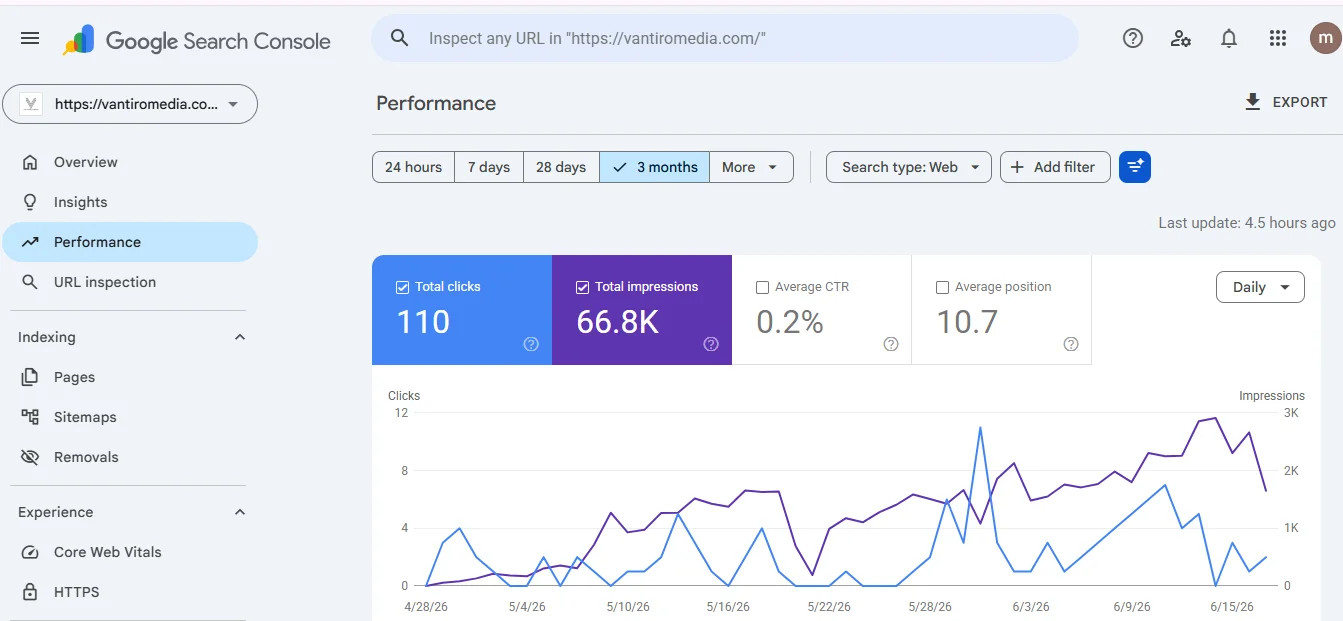
Keyword research shows what people search for. Search intent shows what kind of answer they expect. Google Search Console can show which queries bring impressions and clicks. This data helps you create better content.
Instead of guessing topics, SEO helps you make decisions based on real user demand. That is powerful for bloggers, small businesses, and content websites.
For example, if users keep searching beginner SEO questions, your website should not only publish advanced technical articles. You need beginner-friendly content too. If users are searching WordPress SEO problems, create practical WordPress SEO guides.
Why SEO Is Important in 2026 and Beyond
SEO is still important because people still search. Even with AI search features and changing search results, websites that publish useful, original, and well-structured content still have an advantage.
The future of SEO is not about tricks. It is about usefulness, clarity, originality, and trust. Websites that only copy common information will struggle. Websites that add real explanations, examples, experience, and better organization will have a stronger chance.
This is why website owners should stop asking only “How do I rank?” and start asking “Is this page actually useful enough to deserve traffic?”
That question leads to better SEO.
Final Thoughts
SEO is important because it helps your website become visible, useful, trustworthy, and easier to understand. It brings targeted traffic, supports long-term growth, improves user experience, and helps search engines connect your content with the right audience.
But SEO only works when it is done properly. Publishing weak content, stuffing keywords, copying competitors, or ignoring user intent will not build a strong website.
If you want better results, focus on helpful content, clear structure, smart internal linking, and consistent improvement. That is the real foundation of SEO.

Mehar Rameez is the CEO of Ranks to Rise and an SEO professional with practical experience in WordPress SEO, Google Search Console, indexing issues, and website growth. On VantiroMedia, he writes simple, step-by-step guides to help bloggers, beginners, and small website owners fix SEO problems, improve their content, and grow organic traffic.
For website-related questions or collaboration inquiries, contact: contact@vantiromedia.com