
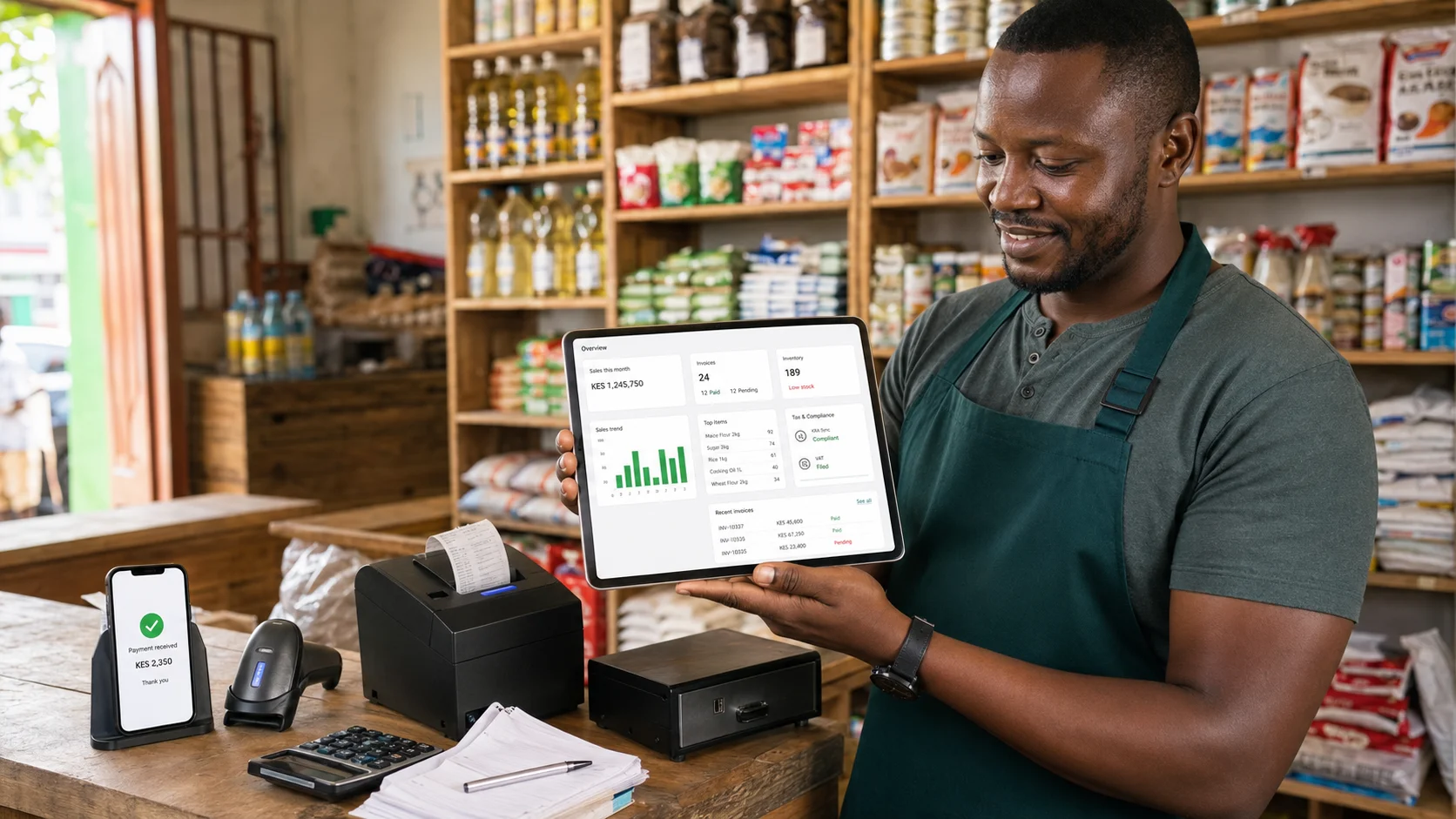
Finding the right accounting software resources in Kenya can save your business time, reduce tax stress, and improve financial control. Whether you run a small business, an online store, a service company, or a growing enterprise, the right accounting tools help you track income, manage expenses, prepare reports, and stay compliant with local tax requirements.
This guide brings together the key resources Kenyan businesses should understand before choosing or using accounting software.
Why Accounting Software Resources Matter in Kenya
Many businesses in Kenya still manage accounts through spreadsheets, manual records, or disconnected systems. That may work at the beginning, but it becomes risky as sales, expenses, taxes, invoices, and payroll grow.
Good accounting software resources help you understand:
- Which software fits your business size
- How to manage invoices and receipts
- How to prepare financial reports
- How to stay organized for VAT and tax filing
- How to connect business records with eTIMS requirements
- How to compare pricing, features, and support
If you are still exploring the basics, this guide on accounting software in Kenya is a useful starting point.
Key Accounting Software Resources Kenyan Businesses Need
1. Software Comparison Guides
Before buying any accounting system, compare the available options carefully. Do not choose software only because it is popular. The better question is whether it fits your business operations.
Look at features such as invoicing, expense tracking, inventory management, bank reconciliation, payroll support, reporting, multi-user access, and local tax compliance.
You can also review this detailed guide on accounting software comparisons in Kenya to understand how different tools may suit different business needs.
2. eTIMS Compliance Resources
For Kenyan businesses, eTIMS is now an important part of tax compliance. Your accounting process should make it easier to keep accurate invoice and transaction records.
A good accounting system should help you organize sales records, avoid missing invoices, and reduce manual errors. If your business is VAT registered or issues regular invoices, understanding eTIMS is not optional.
For more details, read this guide about eTIMS in Kenya.
3. Bookkeeping Templates and Checklists
Even when using software, businesses still need proper bookkeeping habits. Useful resources include monthly expense checklists, invoice tracking sheets, cash flow templates, and year-end document lists.
These resources help business owners avoid common mistakes such as mixing personal and business expenses, forgetting supplier payments, or losing receipts.
4. Training and Support Resources
Accounting software is only useful when your team knows how to use it properly. Many businesses buy tools but never set them up correctly.
Look for resources such as setup tutorials, user guides, local consultant support, and staff training. This is especially important if your business handles inventory, payroll, multiple branches, or regular tax reporting.
5. Financial Reporting Resources
Your accounting software should not only record transactions. It should help you understand your business.
Important reports include profit and loss statements, balance sheets, cash flow reports, sales reports, tax summaries, and outstanding invoice reports. These reports help you make better decisions instead of guessing from bank balances.
How to Choose the Right Accounting Software Resource
When reviewing accounting software resources in Kenya, focus on practical business needs. Ask these questions before making a decision:
- Is the software easy for your team to use?
- Does it support your business type?
- Can it handle your expected growth?
- Does it improve tax and invoice record keeping?
- Is customer support available when needed?
- Are pricing and renewal costs clear?
- Can reports be exported when required?
The best resource is not always the most expensive one. The right choice is the one that makes your accounting process simpler, cleaner, and more reliable.
Common Mistakes to Avoid
Many businesses make the mistake of choosing software without understanding their accounting workflow. Others depend fully on software but ignore proper data entry and monthly reviews.
Avoid these mistakes:
- Buying software without comparing options
- Ignoring eTIMS and tax compliance needs
- Using software without training staff
- Failing to back up financial records
- Mixing personal and business transactions
- Not reviewing monthly reports
- Choosing tools based only on price
Accounting software is a tool, not a shortcut. If the setup is poor, the reports will also be poor.
Final Thoughts
Accounting software resources in Kenya are useful for any business that wants better financial control, cleaner records, and easier compliance. Start by understanding your business needs, compare available solutions, learn how eTIMS affects your invoicing process, and use reporting tools to make better decisions.
The right accounting software setup can help your business save time, reduce errors, and stay prepared for growth.
FAQs
What are accounting software resources in Kenya?
- They include guides, tools, templates, comparison pages, eTIMS information, training materials, and support resources that help Kenyan businesses manage accounting better.
Is accounting software necessary for small businesses in Kenya?
- Yes, especially if the business handles regular sales, expenses, invoices, stock, payroll, or tax records.
Should accounting software support eTIMS?
- For many Kenyan businesses, eTIMS-related record keeping is important. A proper accounting process should help maintain accurate invoice and transaction records.
How do I compare accounting software in Kenya?
- Compare ease of use, features, pricing, reporting, support, scalability, and compliance needs before choosing a solution.