
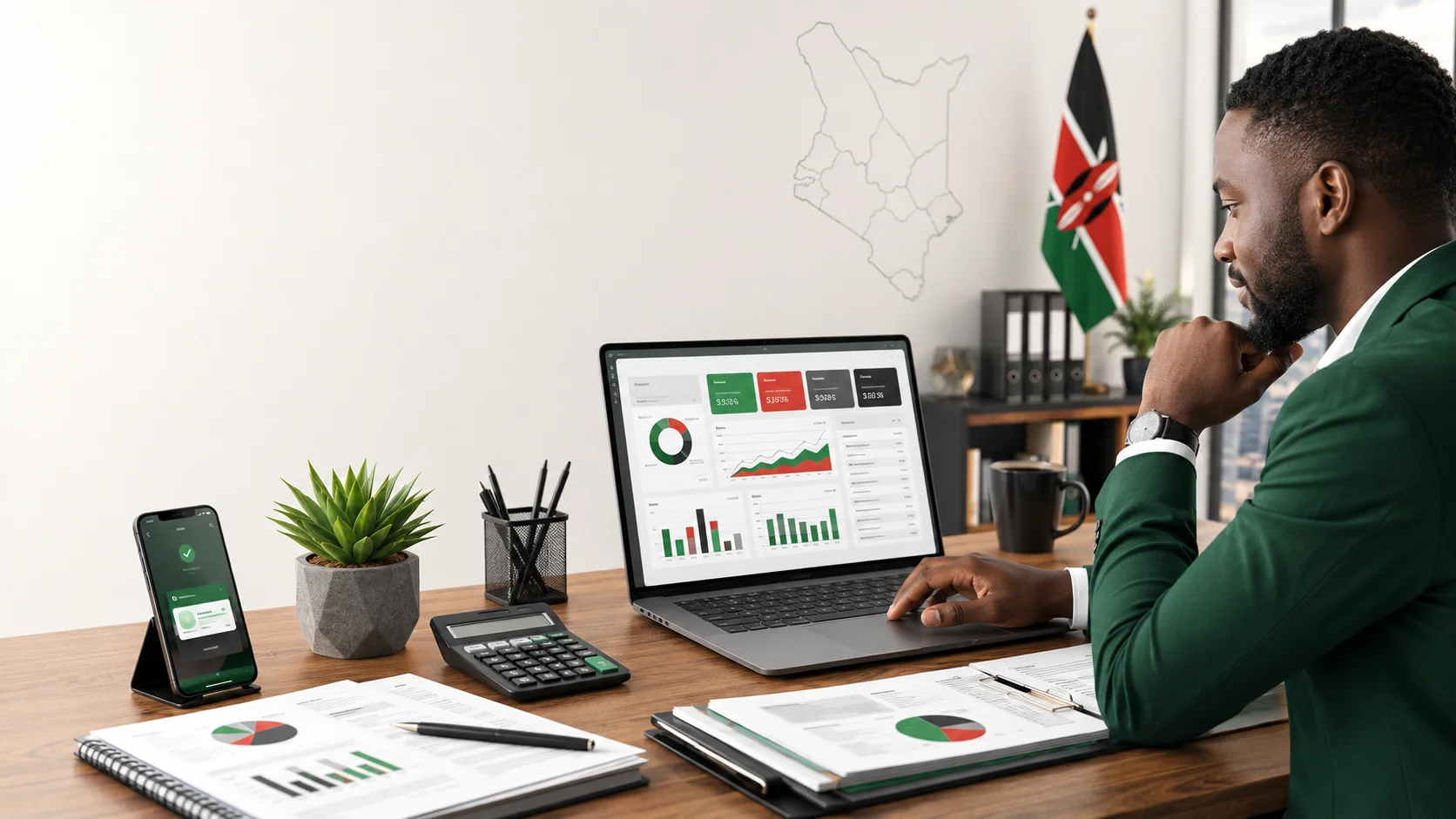
Choosing accounting software in Kenya is no longer a simple decision. A few years ago, many small businesses could manage invoices, expenses, and sales records using Excel or manual books. Today, that approach is becoming harder to maintain because businesses need cleaner records, better reports, VAT tracking, inventory control, and proper tax invoice management.
The right accounting software can help a Kenyan business save time, reduce mistakes, and understand its financial position more clearly. But the wrong software can create more confusion than value. That is why accounting software comparisons in Kenya should focus on real business needs, not just brand names or cheap pricing.
If you are still learning the basics, first read this guide on accounting software in Kenya to understand what these tools do and why they matter for local businesses.
Why Accounting Software Matters for Kenyan Businesses
Good accounting software helps businesses manage daily financial tasks in one place. This may include creating invoices, recording expenses, tracking payments, managing stock, checking customer balances, and preparing financial reports.
For a freelancer, the main need may be simple invoicing and expense tracking. For a retail shop, inventory and sales records may be more important. For a growing SME, the software may need multi-user access, accountant collaboration, VAT reports, and stronger internal controls.
The biggest mistake is choosing software only because it is popular. A tool that works well for one business may not be the best option for another.
What to Compare Before Choosing Software
Before paying for any accounting system, compare the features that affect your daily work. Check whether the software supports invoices, expenses, bank reconciliation, customer records, supplier records, inventory, tax reports, profit and loss reports, and balance sheet reports.
Also check ease of use. If your staff or accountant finds the software difficult, the system will not be used properly. A clean dashboard, simple invoice creation, and easy report generation matter more than fancy features you may never use.
Pricing is also important, but do not look only at the monthly fee. Some tools charge extra for users, inventory, payroll, training, data migration, or integrations. A cheap plan can become expensive if it does not include the features your business actually needs.
eTIMS Should Not Be Ignored
In Kenya, tax invoicing is now a major part of accounting software selection. Businesses need to understand how their invoicing process connects with eTIMS and tax compliance.
Before choosing software, ask whether it supports your eTIMS workflow, VAT records, customer PIN details, credit notes, and tax invoice reporting. If you are not clear on this part, read this guide on eTIMS in Kenya before making a software decision.
This step matters because some businesses buy accounting software first and only later realize that their eTIMS process is still manual or incomplete. That creates duplicate work and unnecessary stress.
Cloud vs Desktop Accounting Software
Cloud accounting software is usually more practical for small and medium businesses because it can be accessed online from different devices. It also makes it easier to work with an accountant, check reports remotely, and keep software updated.
Desktop software may still work for businesses that prefer offline records, but backups, updates, and remote access can become more difficult. If your business is growing, cloud software is often easier to manage.
Popular Accounting Software Options in Kenya
Kenyan businesses commonly compare tools such as Zoho Books, QuickBooks, Sage, Xero, Odoo, and other local solutions.
Zoho Books can be useful for SMEs that want affordable cloud accounting, invoicing, reports, automation, and tax-focused workflows.
QuickBooks is a strong option when your accountant already uses it or when you want a familiar global accounting platform.
Sage is usually better for established businesses that need stronger controls, payroll options, and structured reporting.
Xero may suit startups, agencies, and businesses with international clients.
Odoo can be a good fit when a business needs accounting together with CRM, inventory, sales, and operations tools.
Final Verdict
The best accounting software in Kenya is the one that matches your business type, tax needs, budget, and daily workflow. Do not choose based on popularity alone.
Before subscribing, test the software with real tasks. Create an invoice, record an expense, generate a report, add a customer, check tax settings, and ask your accountant if they can work with it.